
VC ARCHIVES
PHOTOGRAPHIC
COLLECTION
The Visual Communications Archives Photographic Collection is comprised of over 1,000,000 film and digital still images. Since the organization’s founding, the VC Archives has documented and collected photographs from different places and times.
Our collections range from pilgrimages to Manzanar and student organizing to community events and the behind-the-scenes of our VC Classics. Shot on film and digitally, most of the Archive’s Photographic Collection have been digitized and cataloged, making space for the public to access these materials for research, public use, and education. The VC Archives Photographic Collection is housed and managed onsite, ensuring its preservation for years to come.
VC ARCHIVES PHOTOGRAPHIC COLLECTION
-
Angel Island - Walnut Grove Collection
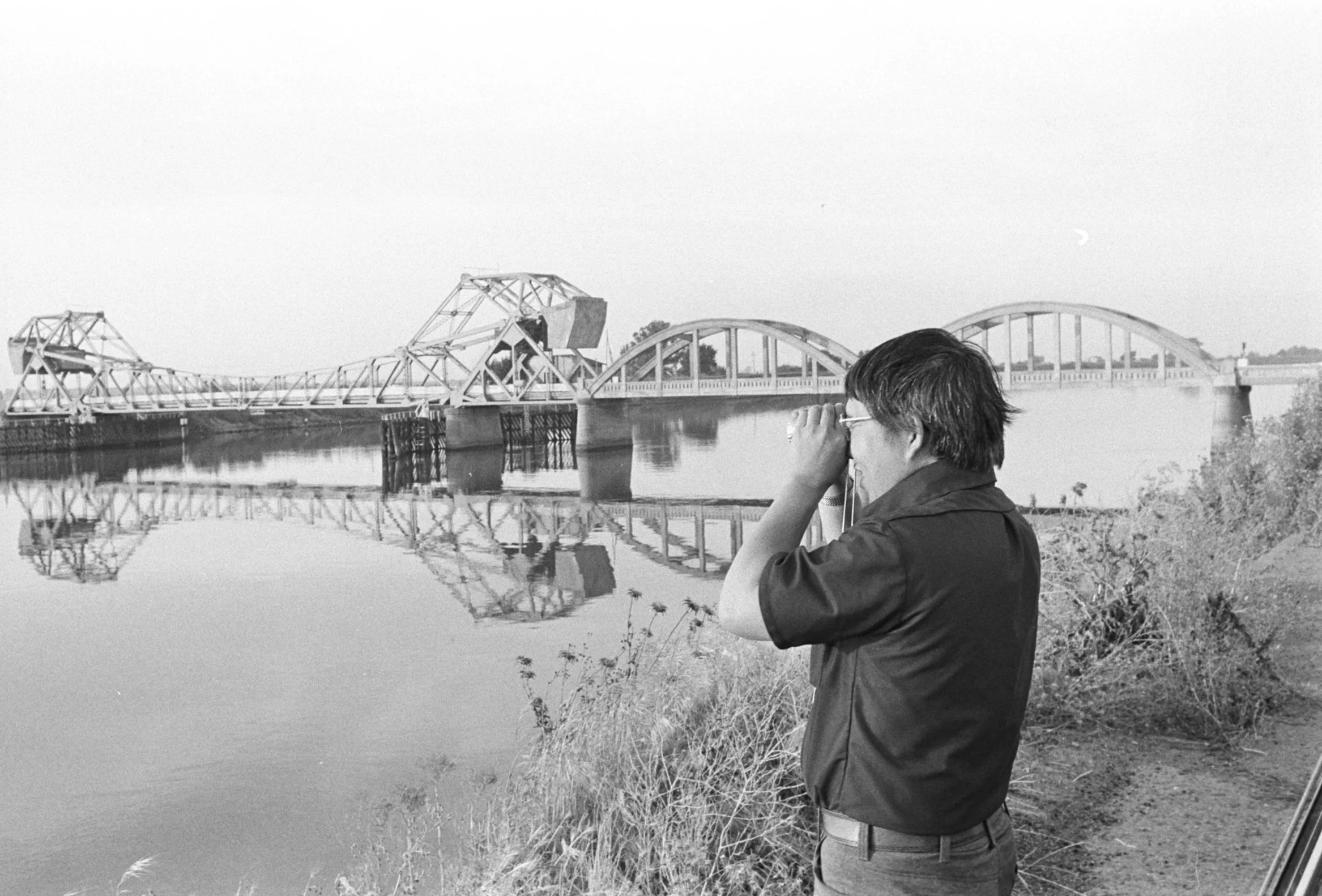
The photographs in this collection cover Chinese immigration to the United States, as well as towns along the Sacramento-San Joaquin River Delta. In the 1850s, the Gold Rush brought Chinese migrants over to the United States, taking on various jobs and to work in the gold mines. The Chinese were also pivotal in building the railroads in the 1860s. During this time, these Chinese railroad workers moved to towns along the Sacramento-San Joaquin River Delta, including Locke, Isleton, and Walnut Grove, all of which are depicted in this collection. The images were photographed by VC co-founder Eddie Wong, for his film PIECES OF A DREAM (1974).
-
Asian American Collection
These images document the rise of the Asian American Movement from the late 1960s and 1980s that gave birth to the creation and realization of the pan-Asian American identity. Images portray the activism of the period, particularly from Asian Americans. Images cover a number of demonstrations, including the Van Troi anti-Imperialist Youth Brigade, which formed during the Vietnam War; Asian Americans for Peace, coalition-building anti-Vietnam demonstrations; Anti-Bakke Mobilization, in response to a decision that determined affirmative action racial quotas are unconstitutional; a U.S. out of Korea demonstration; and Asian Americans against apartheid.
-
Black American Collection
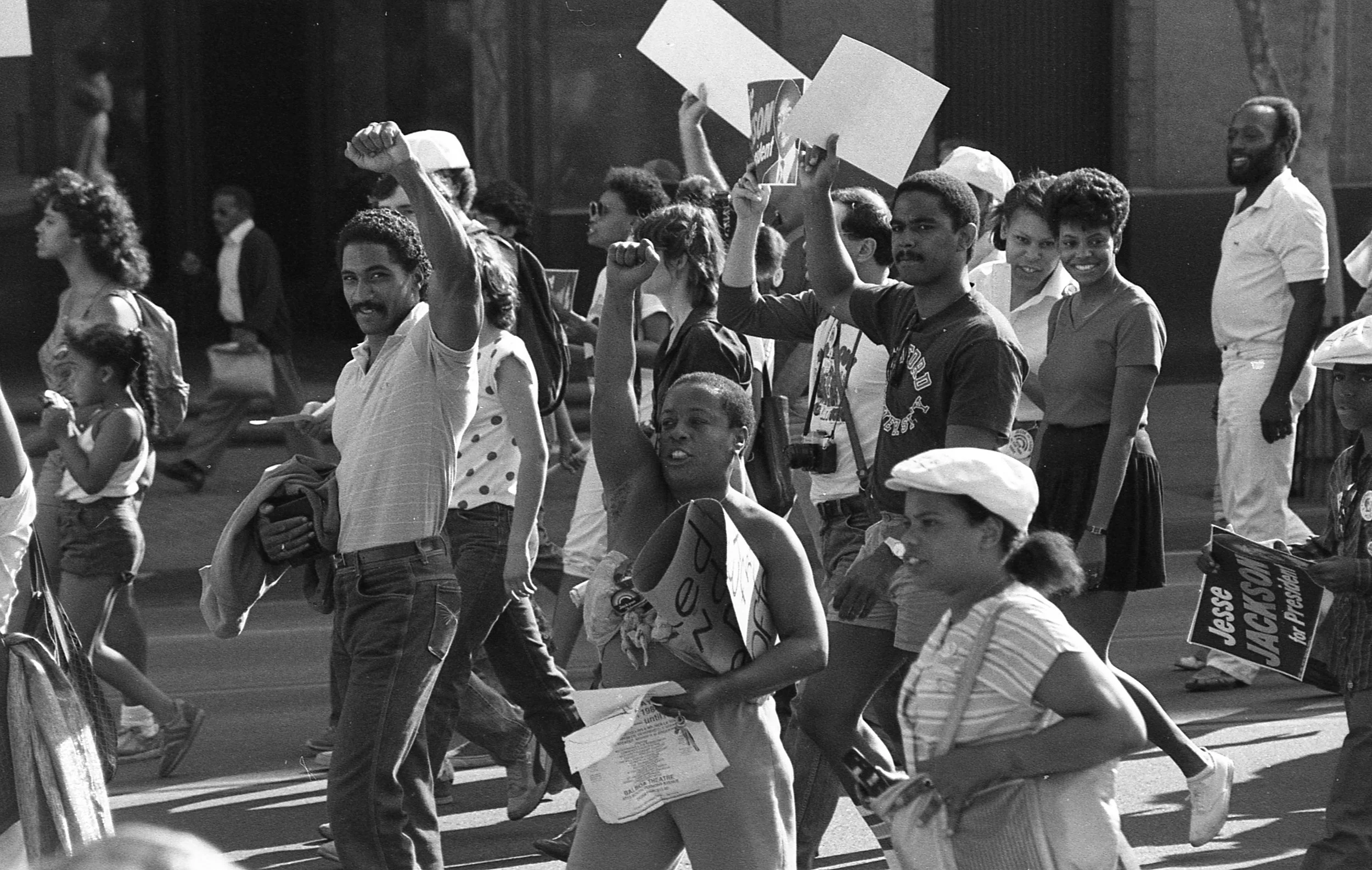
Covering the years between 1972 to 1986, the images in the Black American Collection depict joy, culture, and solidarity within and between Black Americans in Los Angeles and other racial communities. During this time period, Los Angeles Mayor Tom Bradley became the first Black Mayor in Los Angeles whose liberal stances brought optimism to many marginalized communities. Bradley became the mayor of Los Angeles in 1973 and retired from public service in 1993 after the LA riots. Also in this collection are images from the May 19, 1984 Los Angeles demonstration against the Simpson-Mazzoli Act, which would penalize employers for knowingly hiring undocumented immigrants and individuals unauthorized to work in the United States. This particular demonstration was led by Jesse Jackson, who, at the time, was running for president.
-
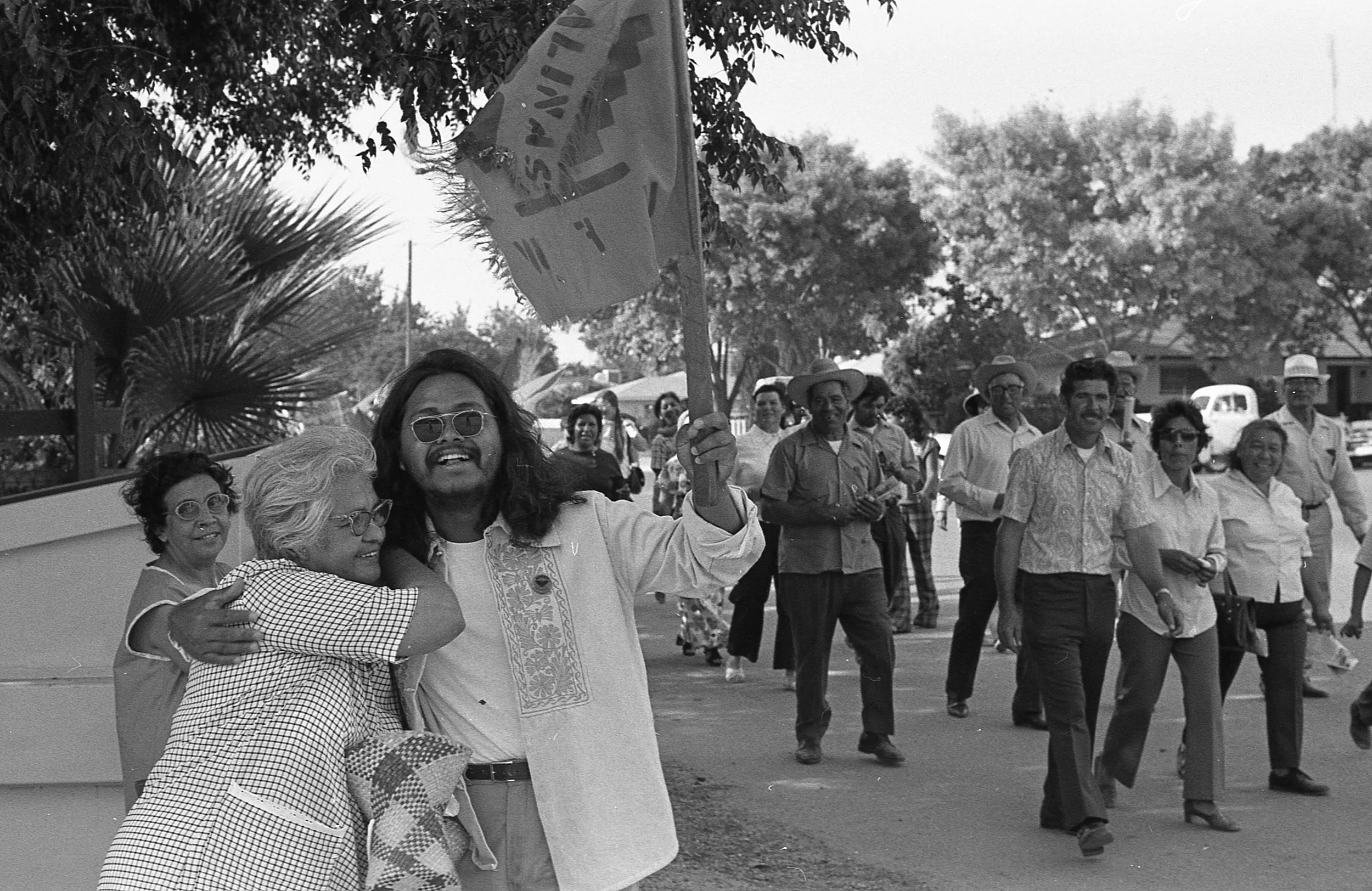
Chicano American Collection
The Chicano American collection documents the everyday lives of Chicano Americans in the United States. In 1962, the National Farm Workers Association (NFWA) was formed in Delano, California. The NFWA eventually became the United Farm Workers union (UFW), whose labor movement advocated for rights for farmworkers. This collection documents this movement and the solidarity that exists among minority communites in the United States. Depicted in the images are rallys, protests, and other organizations and events such as the Senior Citizen's Abuse Conference, thhe Human Services Association, and UCLA's Chicano Ediucation Project.
-
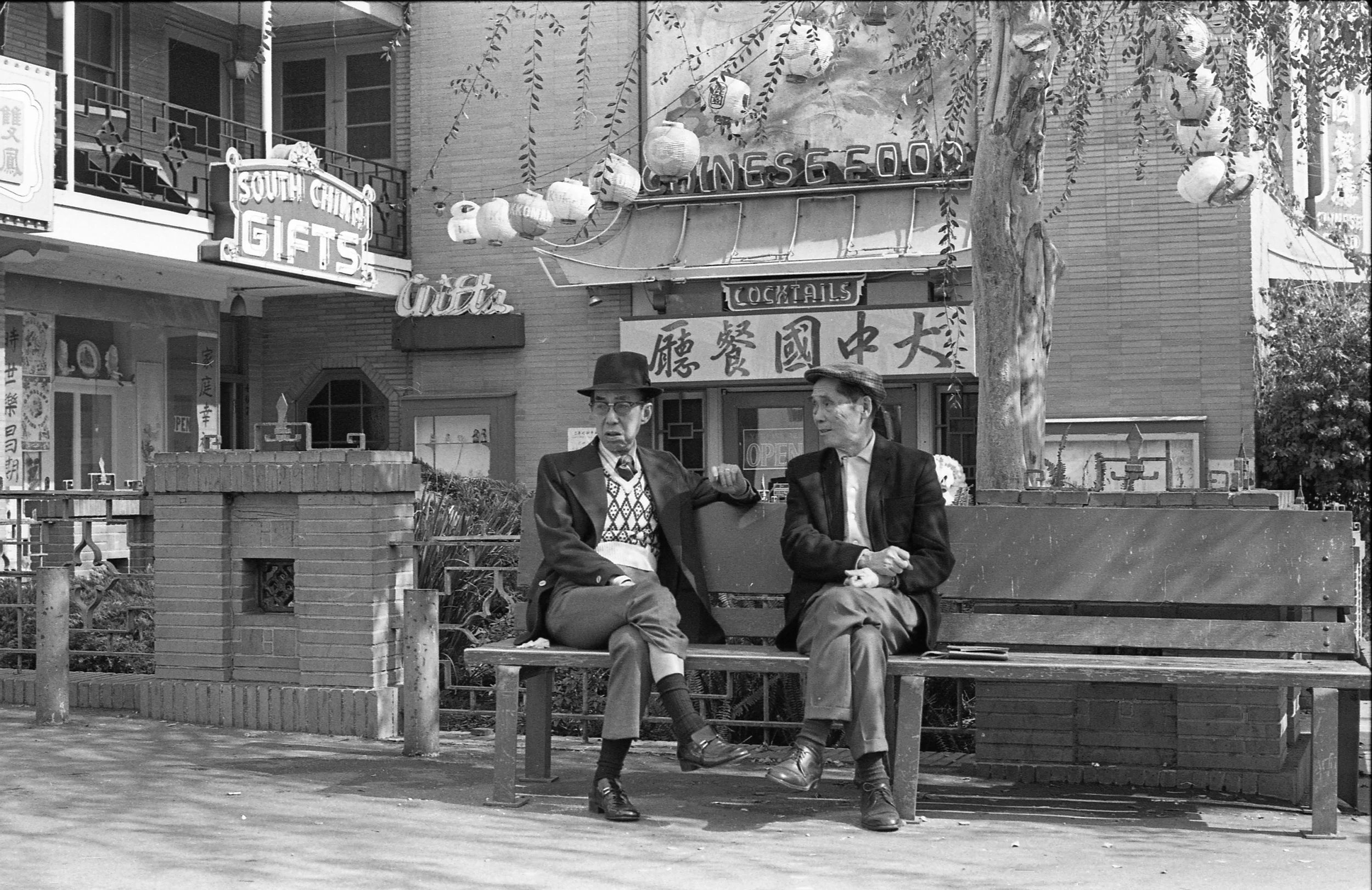
Chinese American Collection
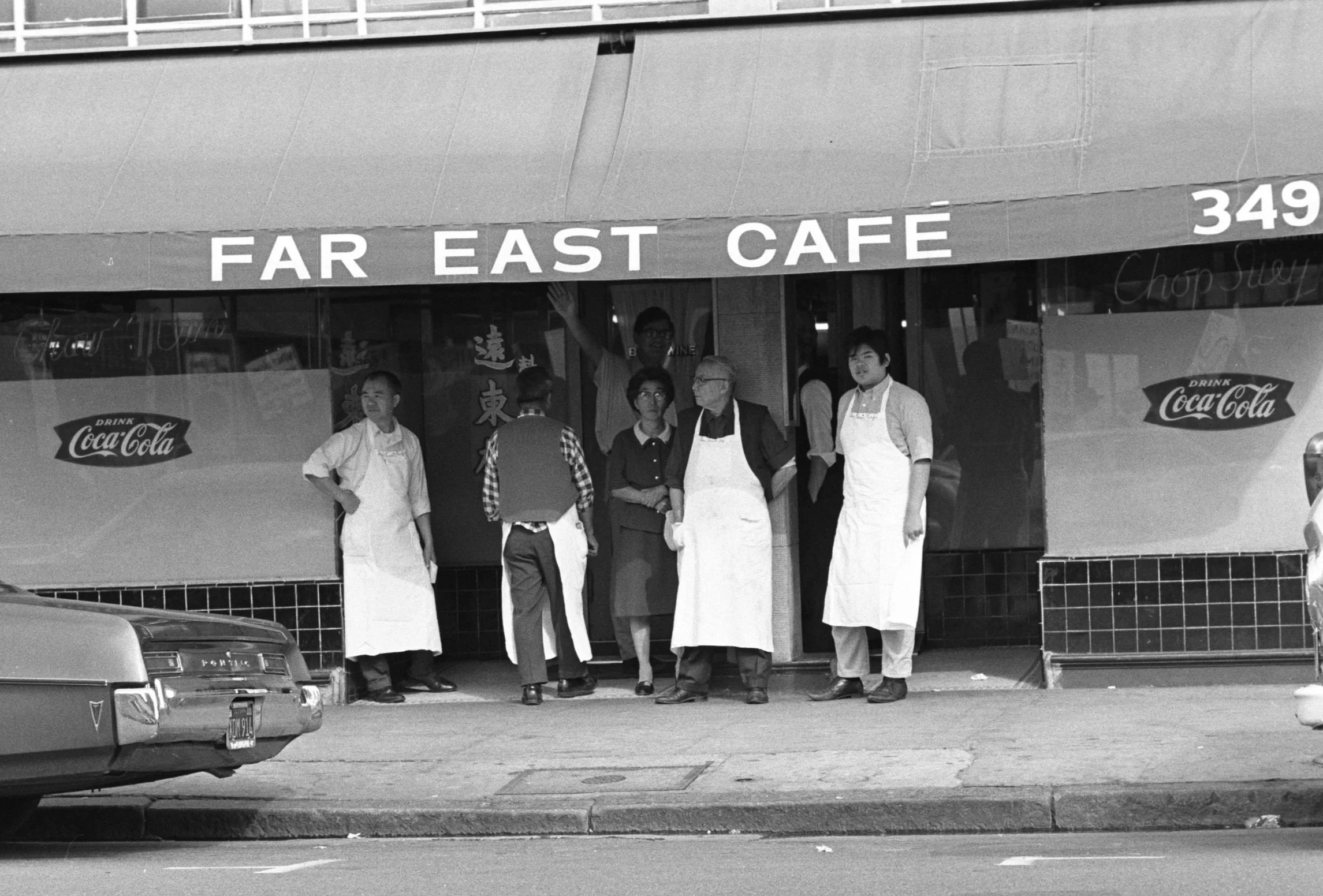
This collection documents Los Angeles’s Chinatown and Chinese American community events, organizations, and activism during the 1970s and 1980s. Images depict the 1972 “Ping Pong Diplomacy” matches between American and Chinese table tennis teams; Chinatown Service Center protests against cuts to community services; and a demonstration in Westwood against the racial stereotyping of Charlie Chan in the film "Curse of the Dragon Queen". Cultural celebrations include Chinese New Year parades, children’s pageants, and the Chinatown carnival.
-
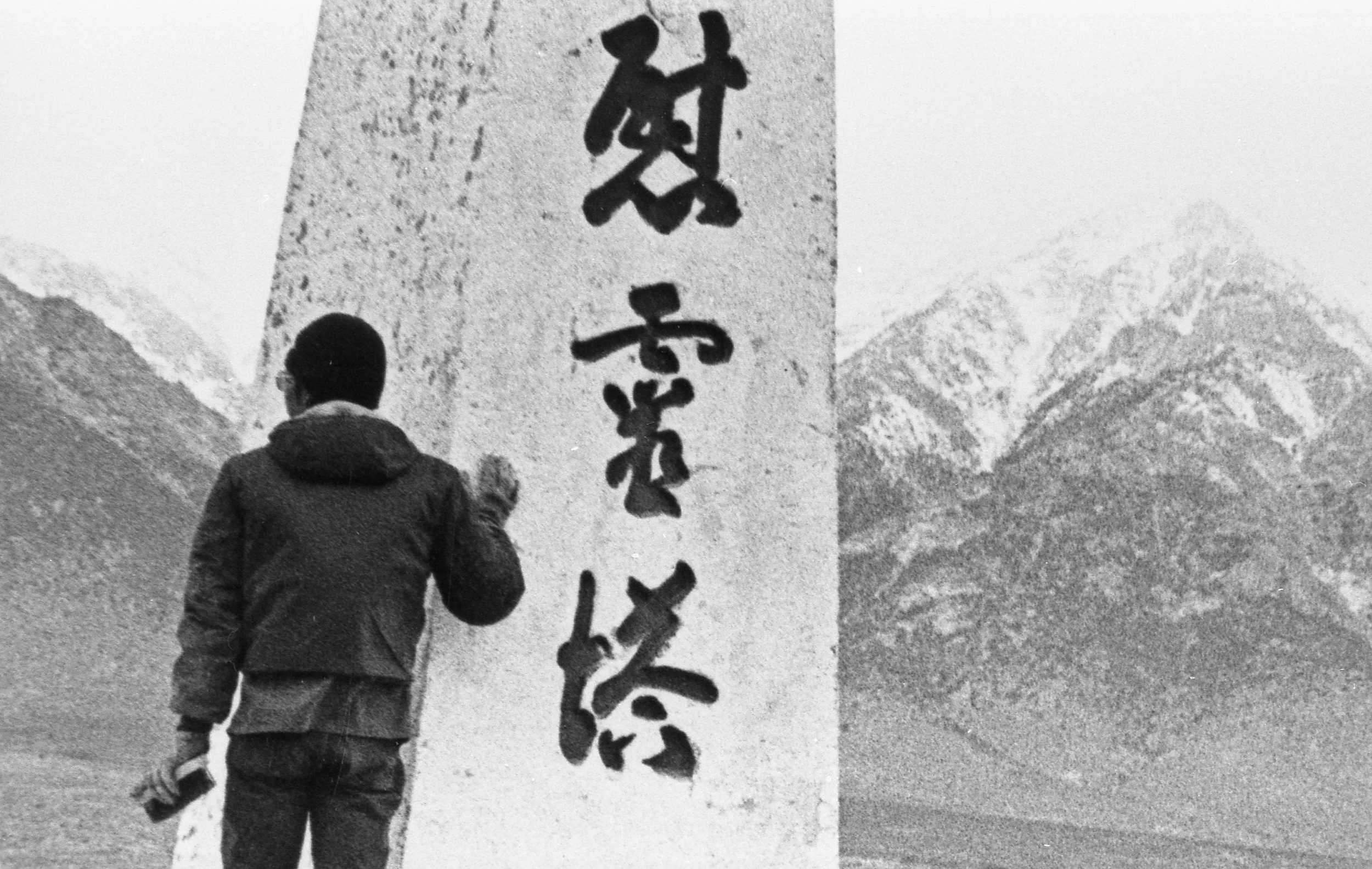
Japanese American Collection
The Japanese American collection spans the early 1900s to the 1990s and depicts the everyday lives, cultural traditions, and activism of Japanese Americans, with a focus on Los Angeles and Little Tokyo through 13 binders. The images display families, farmers, workers, and students, and the forced removal and incarceration of Japanese Americans during World War II at camps, including relocation centers in Heart Mountain, Tule Lake, and Poston. The collection includes photographs of Manzanar pilgrimages, Day of Remembrance events, and redress rallies that document community efforts to preserve these histories and recognize wartime injustices. This collection highlights the strikes, community health services, and Warren Furutani’s 1987 campaign for the Los Angeles Board of Education. Including cultural celebrations such as Nisei Week parades, Obon festivals, New Year’s gatherings, and taiko performances, this collection reflects the community’s efforts to sustain cultural traditions and bring generations together.
-
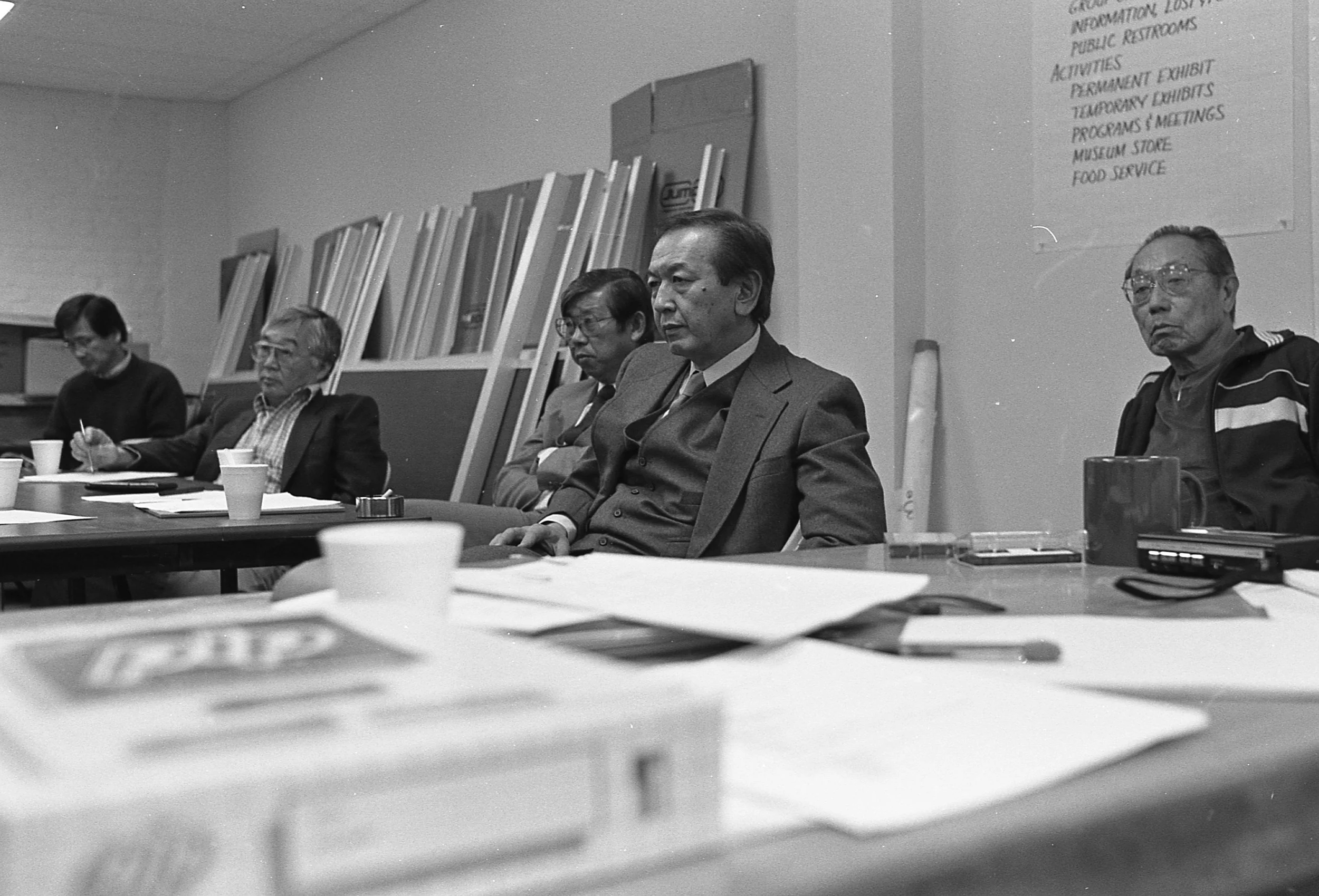
JA National Museum Collection
The JA National Museum collection documents the museum’s development in Little Tokyo, Los Angeles, and Japanese American history. Images depict World War II, Manzanar, and museum activities leading up to 1988. The photographs include museum meetings, publicity photographs, Mayor Tom Bradley signing the lease for the museum building, and exterior views of the Old Nishi Hongwanji Buddhist Temple (JA National Museum future site). This collection includes images of Governor George Deukmejian’s visit to Little Tokyo, including a tour of a Japanese American heritage exhibit assembled by Visual Communications and the museum. One of the archival stills used in the museum is a multimedia presentation, “A Community in Bloom” from November 5, 1988. There are also historical photographs of Manzanar showcasing residential blocks, guard towers, a Buddhist church, the base hospital, and the Children’s Village.
-
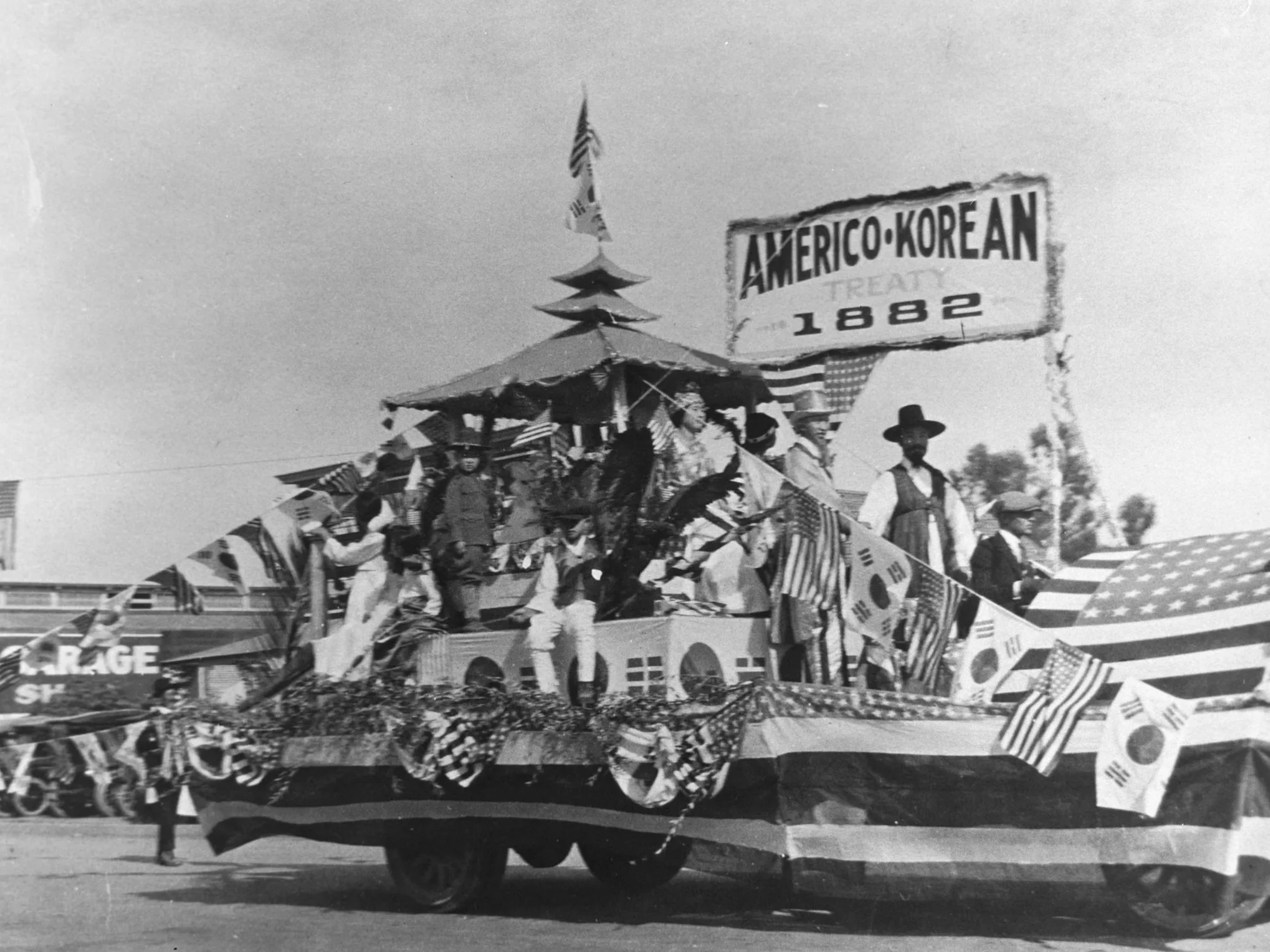
Korean American Collection
Created by Visual Communications, this collection documents the growing Korean-American community in Los Angeles, which boasts the largest community of Koreans outside of Korea. Photos portray Koreatown’s residents, churches, and Korean-owned businesses, all centered around Olympic Boulevard.
-
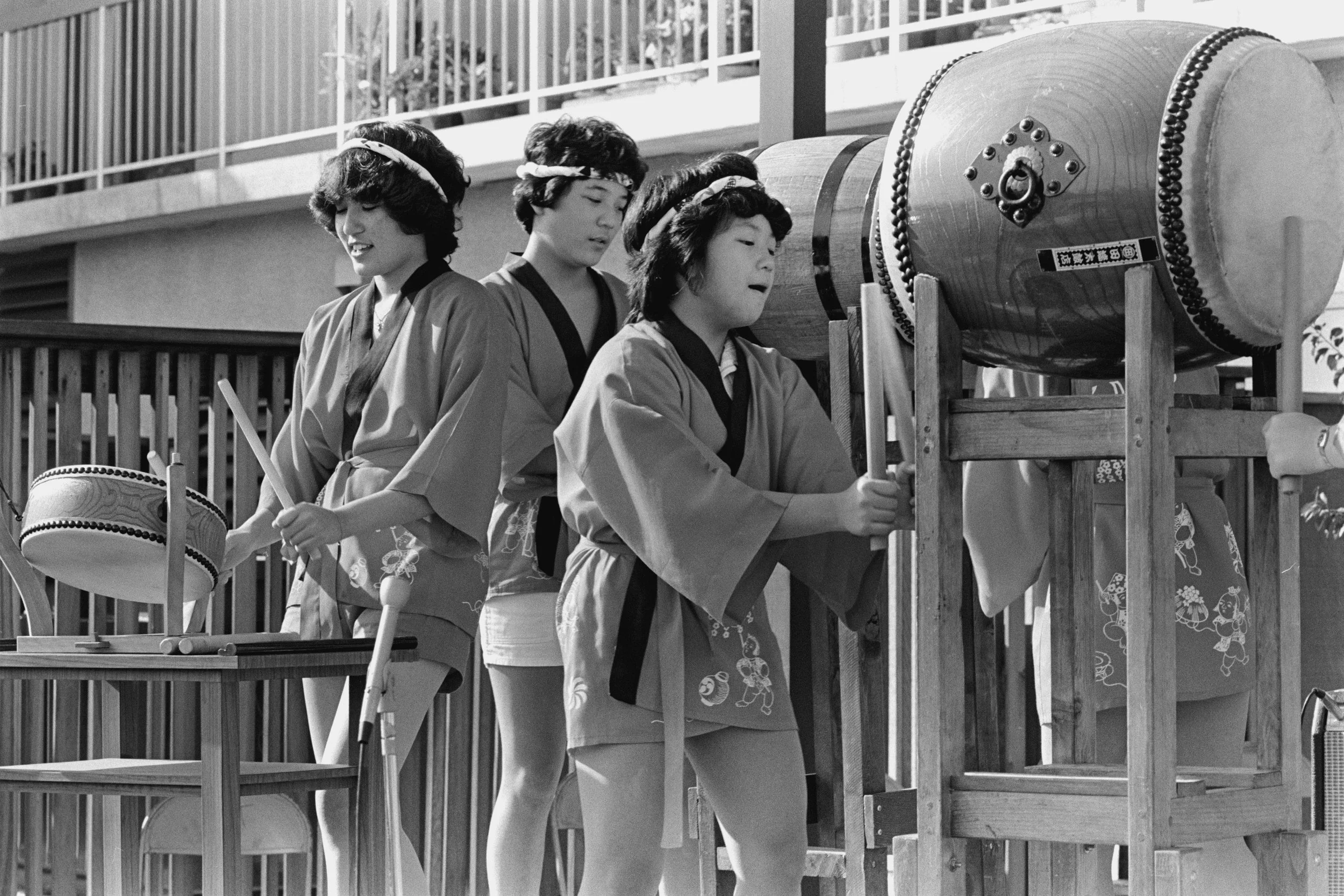
Little Tokyo Collection
During the mid to late 1970s, Little Tokyo faced mounting pressure from redevelopment, urban renewal, and gentrification. The Little Tokyo Collection documents the community throughout this period, capturing daily life along Weller Street, 1st Street, 2nd Street, and San Pedro Street, as well as community celebrations such as the Obon Festivals and Nisei Week. It highlights eviction protests, youth organizing, fundraisers, and community leaders. The collection also details the Little Tokyo People's Rights Organization (LTPRO), which was formed to protect residents and businesses from displacement. In 2024, the National Trust of Historical Preservation named Little Tokyo one of America's 11 Most Endangered Historical Places.
-
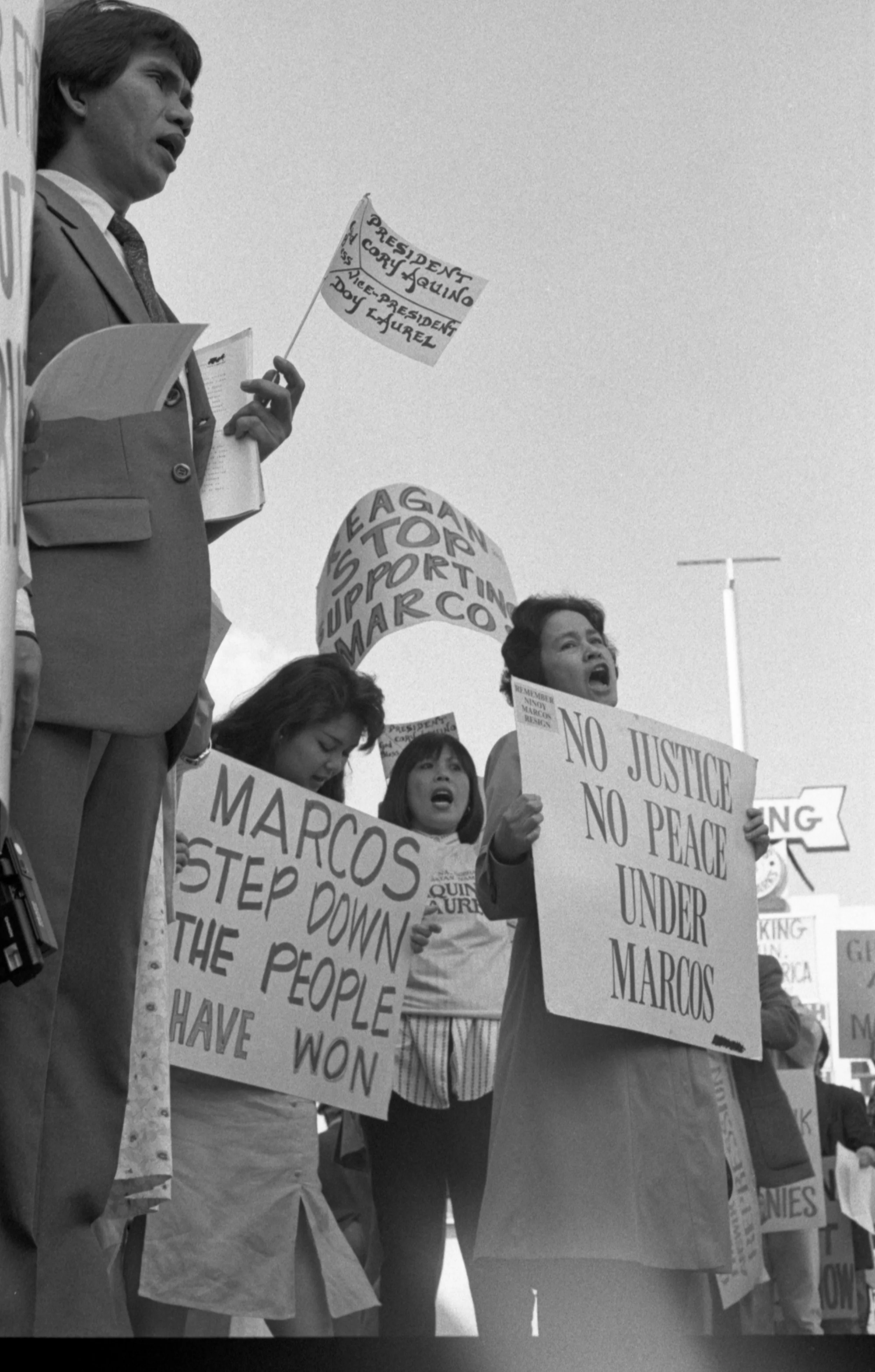
Pilipino American Historical Collection
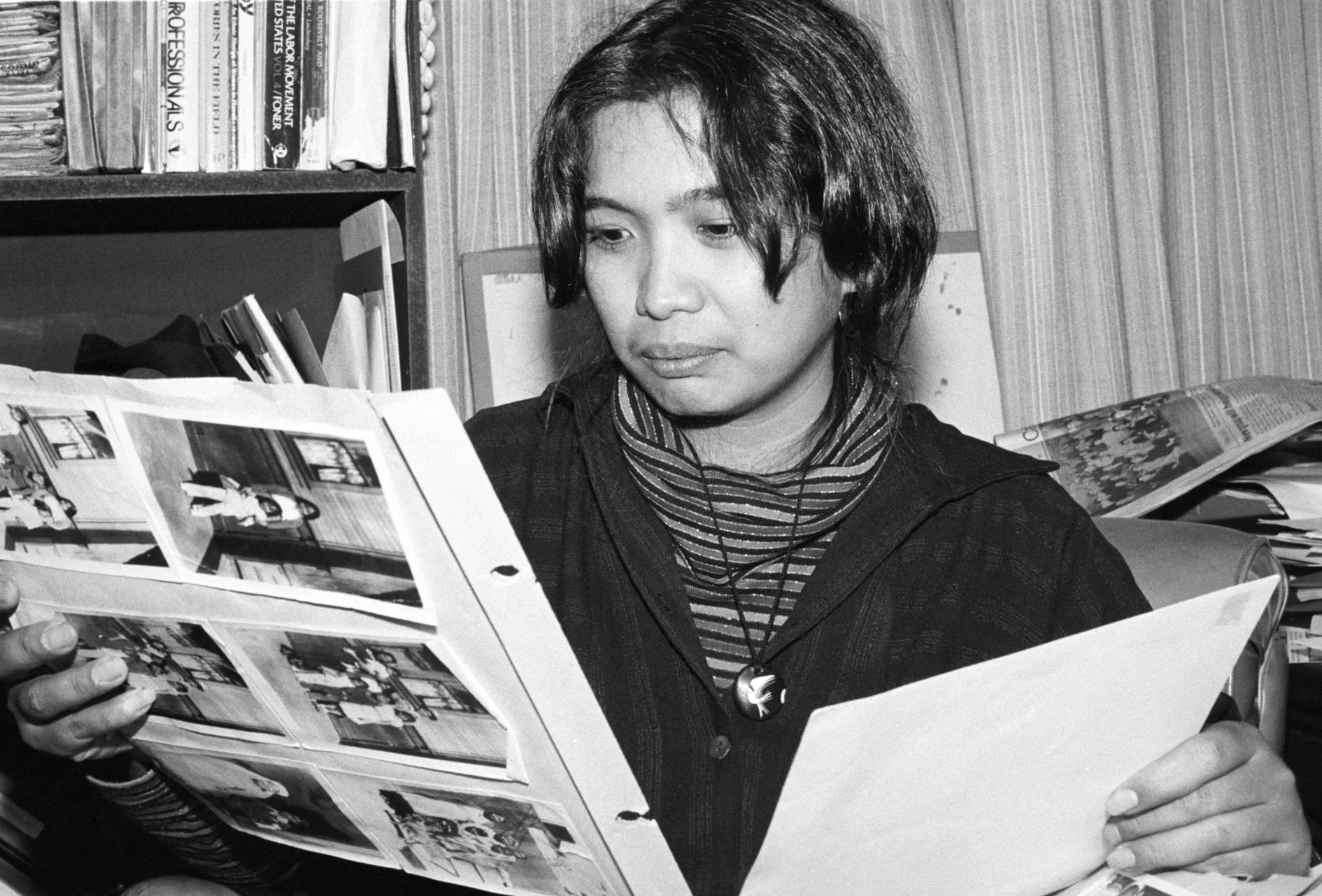
The Pilipino American Historical Collection documents Filipino American life in California from the 1920s through the 1960s. As it is drawn largely from family photo albums, it captures weddings, portraits, and everyday life of a rapidly growing community during the early 1900s. It demonstrates how Filipino Americans established a social life together through groups and organizations such as the Filipino American Federation and the Filipino Community Council. The collection also captures musical ensembles, sports team photos, various celebrations, and military service photos. At the center of the collection, is photos taken by Sebastian Sahagan, who was a veteran of both the Agricultural Workers Organization Committee (AWOC) and United Farm Workers (UFW). His photographs provided a glimpse into farmworker organizing in Delano, CA, and Agbayani Village.
-
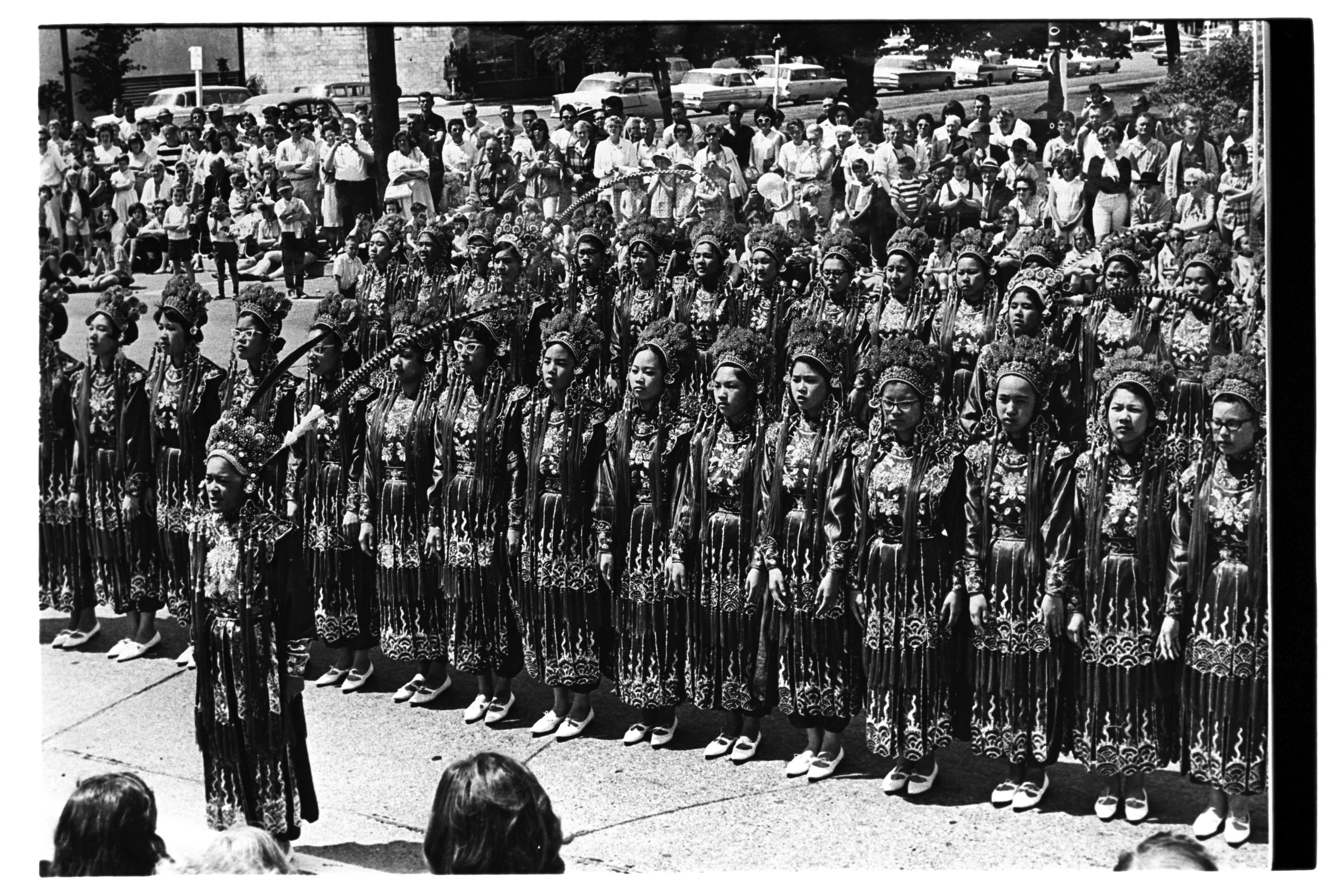
Pilipino American Contemporary Collection
The collection of negatives and prints documents Filipino-American activism, including the Filipino contingent of the United Farm Workers Union, which lived in Delano and organized labor rights campaigns there, in San Francisco, and in Los Angeles. The archive heavily features UFW Vice President Philip Vera-Cruz. The archive also shows Filipino-American activism on political unrest tied to the Marcos dictatorship in the Philippines. The collection also features Agbayani Village, originally a home for aging Filipino workers and now a heritage site. The archive also shows a number of cultural events and festivals concentrated in Los Angeles and San Francisco.
-
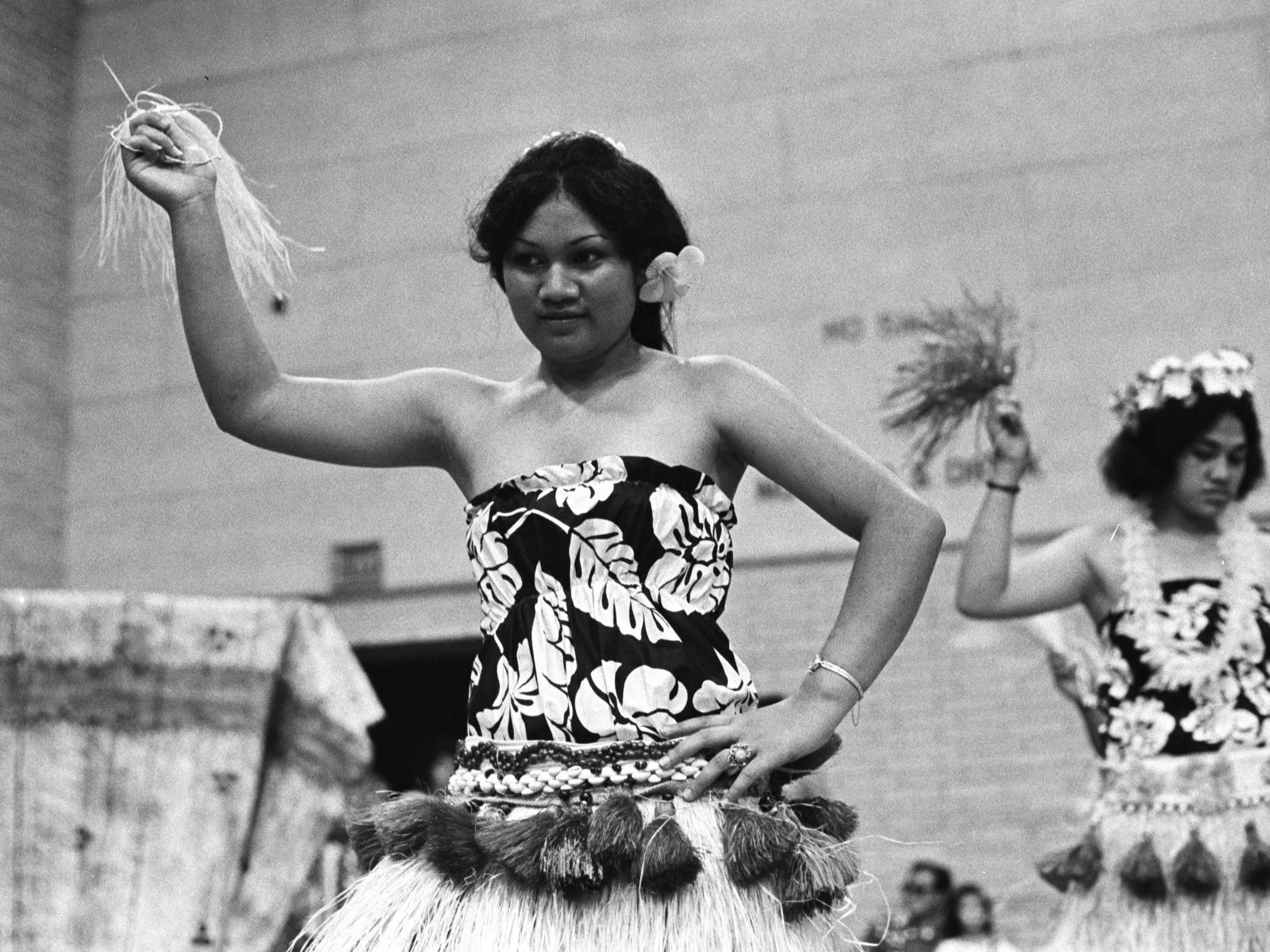
Samoan American Community Collection
The Samoan American Community Collection captures the daily life, events, and culture of Southern California's Samoan American community in the 1970s and 1980s. Centered in Carson and San Pedro in Los Angeles' South Bay region, this collection documents family tradtions, work life, and community gatherings. Documented across seven years by core Visual Communications pillars Alan Ohashi, Duane Kubo, Eddie Wong, Takashi Fujii, and Linda Mabalot, these photographs offer a glimpse into one of the most culturally rich yet underrepresented communities in Los Angeles.
-
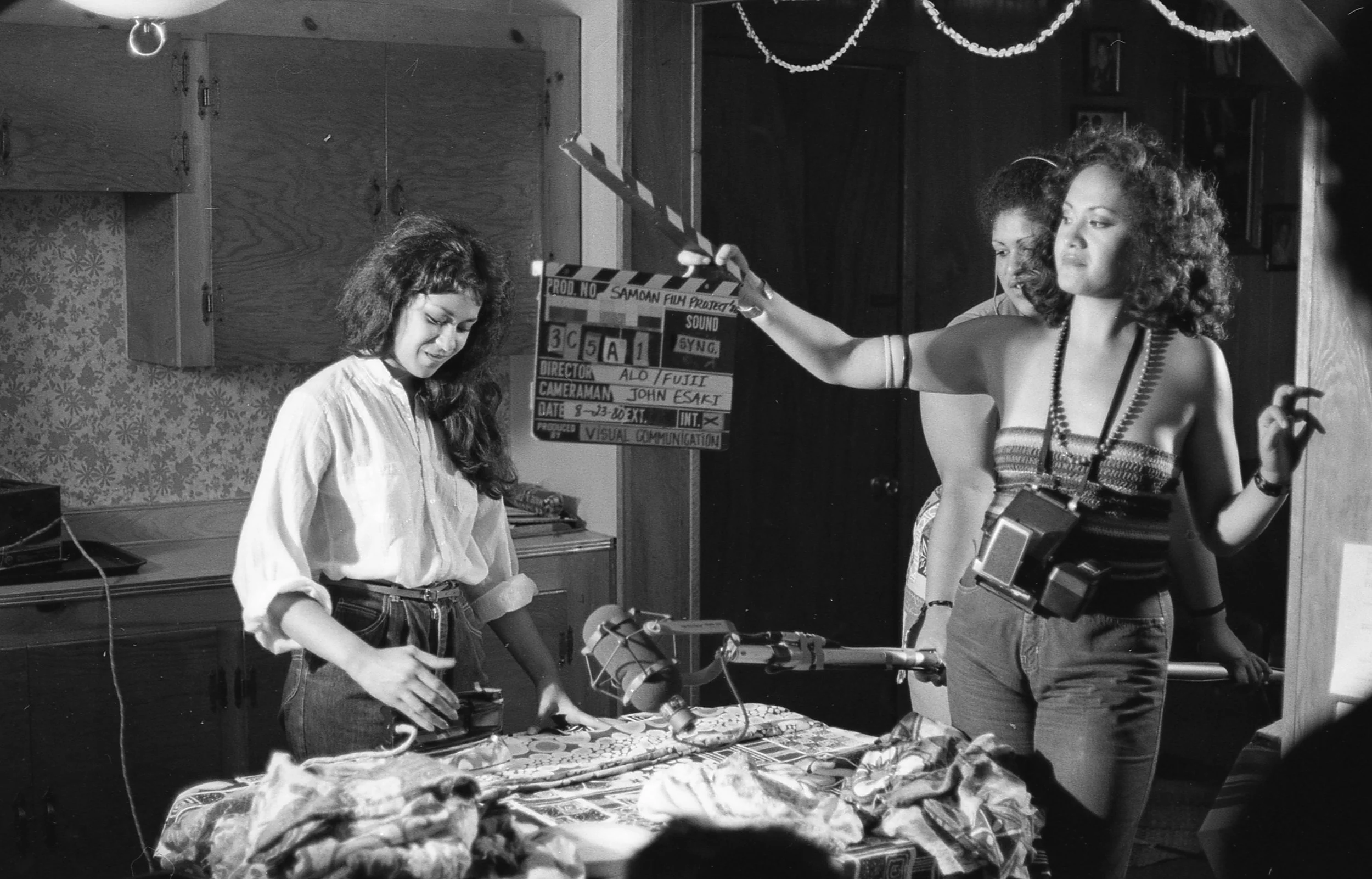
Samoan Film Project Collection
The Samoan Film Collection serves as a photographic documentary that captures behind the scenes moments of making the Visual Communications produced film titled "VAITAFE" (Running Water) in the summer of 1980. While most of our collection follows the everyday lives of Samoans in Carson, this collection focuses on the creative process behind a cross-generational film, with some documentation taking place in American Samoa. Photographs here demonstrate the eagerness to communicate the Samoan American experience to the public and the collaborative effort amongst the Asian Americans, Native Hawaiians, and Pacific Islanders (AANHPI) communities to carry out the project.
-
Samoan Historical Collection
-
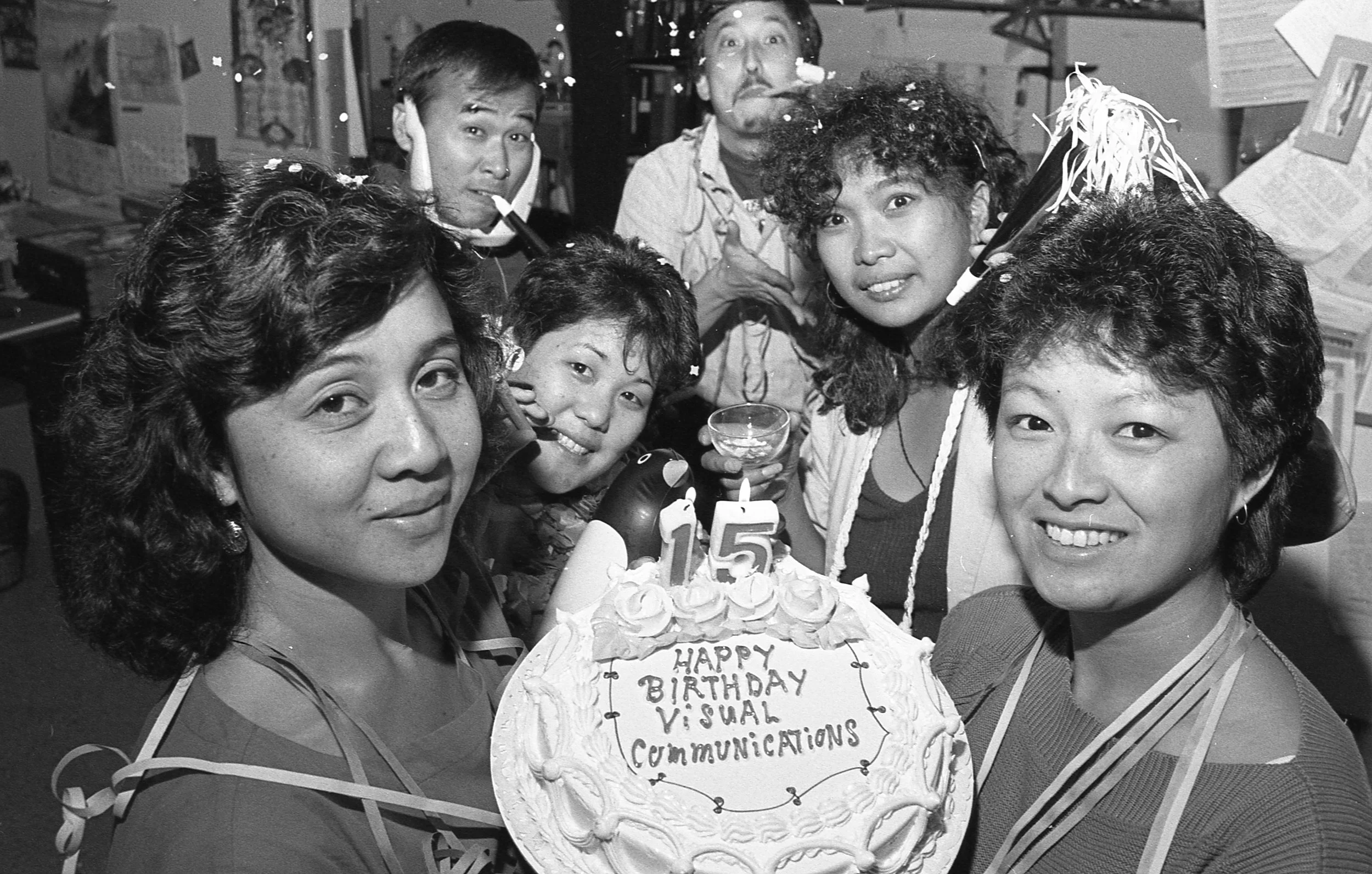
Visual Communications Collection
The Visual Communications Collection chronicles the early activities of VC, including anti-war activism, educational programs, and the creation of films by and about Asian Pacific Islander Americans. These images portray the behind-the-scenes production of seminal Asian American films such as MANZANAR (Robert Nakamura), CRUISIN’ J-TOWN, as well as publications like Moving the Image. The photos also document VC workshops, exhibits like “In Movement” and “Planting Roots,” and involvement with other Asian Pacific American community organizations in Los Angeles and beyond.
VC ARCHIVES
ACCESS REQUEST
If you're interested in using materials from the VC Archives for an exhibition, showcase, article, or educational resource, please complete this form or email us archives@vcmedia.org